
Roughcasting vs Rendering: Which Is Right for Your Home?
Roughcasting and rendering are both exterior wall finishes used widely across Scotland, but they differ in appearance, application method, and ongoing maintenance. This guide compares them directly to help you decide which suits your property — or get in touch for advice specific to your home.
Get a Free Quote- Free, no-obligation quotes
- Roughcasting & rendering covered
- Fast, friendly service
Roughcasting vs rendering
| Factor | Roughcasting | Rendering |
|---|---|---|
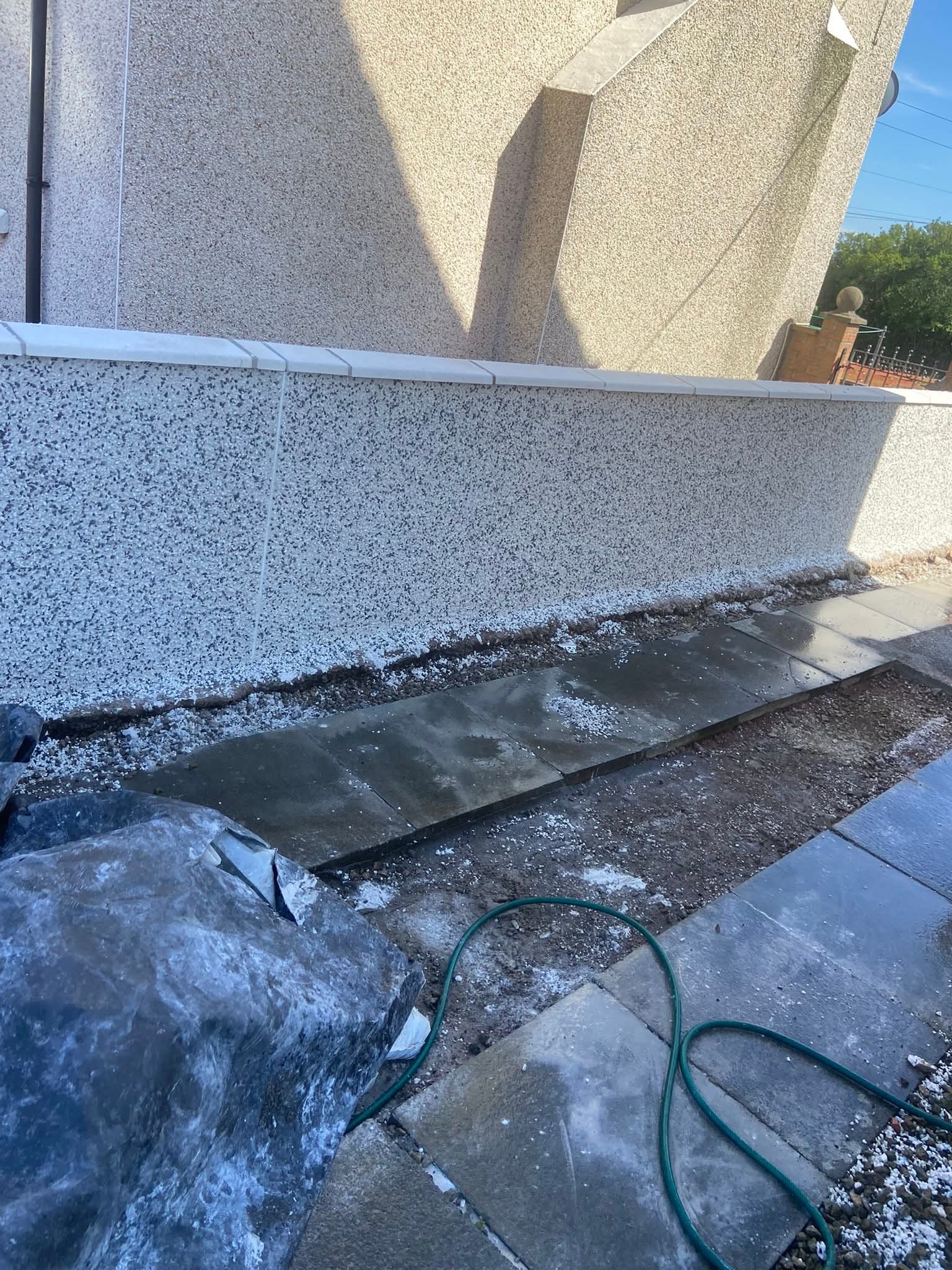
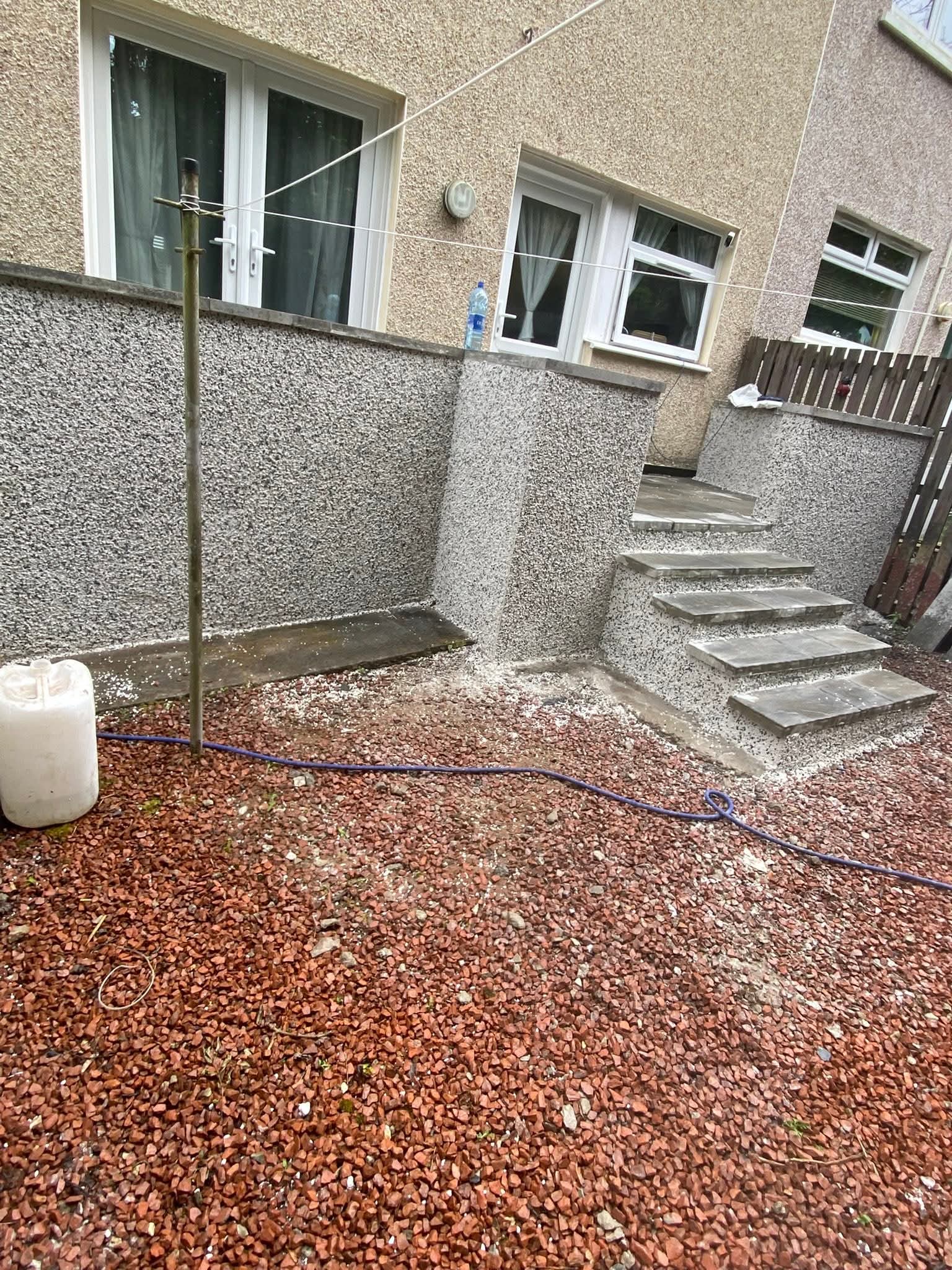
| Appearance | Coarse, textured chip finish — the traditional Scottish 'harled' look, in a range of chip sizes and colours. | Smooth or fine-textured finish, painted or through-coloured, giving a more contemporary appearance. |
| Application | Wet or dry aggregate chip thrown or pressed onto a base coat. | Base coat and mesh followed by a trowel-applied or spray-applied finish coat (traditional, silicone or K Rend). |
| Weather protection | The textured surface sheds driving rain well and has a long track record on exposed Scottish buildings. | Modern silicone and K Rend systems are also highly weather-resistant and breathable; traditional painted render relies more on the paint coating for water resistance. |
| Maintenance | Generally low maintenance once applied, though painted roughcast will need repainting periodically. | Traditional painted render needs periodic repainting; through-coloured silicone/K Rend systems generally need little beyond occasional cleaning. |
| Repairability | Localised patch repairs are possible and can be blended reasonably well into an existing chip finish. | Patch repairs are possible on smooth and through-coloured systems, though colour-matching a repair to weathered existing render can be more visually noticeable. |
| Typical reasons to choose | Traditional Scottish look, matching an existing roughcast property, strong track record in exposed conditions. | Contemporary smooth appearance, low-maintenance through-coloured systems, updating from an older roughcast or pebble dash finish. |
Cost differences
Traditional roughcast and traditional painted render are broadly comparable in cost. Premium through-coloured systems like silicone render and K Rend typically cost more per square metre than either traditional option, but often need less ongoing maintenance. See our roughcasting cost and house rendering cost guides for indicative ranges.
Can you switch from one to the other?
Yes — many Scottish properties are moved from an ageing roughcast or pebble dash finish to a smooth or K Rend render, or vice versa, as part of a wider refresh. We can assess whether your existing finish is a suitable substrate to render or roughcast over, or whether it needs to be stripped back first.
Which is right for older or period properties?
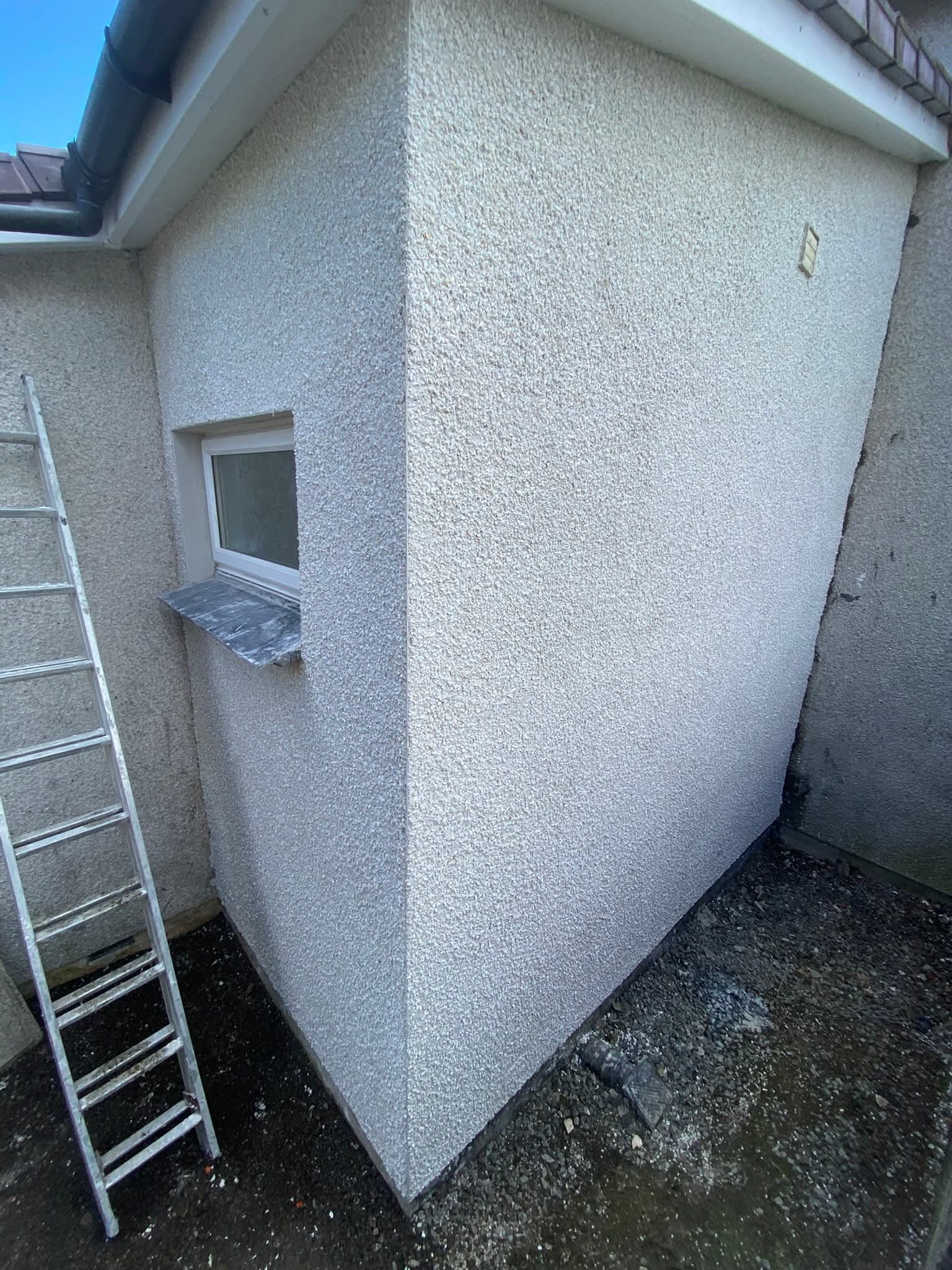
Traditional wet or dry dash roughcast is often chosen to preserve the character of older Scottish properties, particularly in areas where it's the predominant local finish. That said, the right choice depends on the specific building, any conservation area requirements, and personal preference — we can advise.
Frequently asked questions
Is roughcasting cheaper than rendering? +
Traditional roughcast and traditional painted render are broadly similar in cost. Premium render systems like silicone or K Rend tend to cost more than either traditional option.
Can rendering be applied over existing roughcast? +
Often yes, provided the existing roughcast is assessed as a sound, stable substrate and properly prepared — loose or hollow sections usually need repair first.
Which lasts longer, roughcasting or rendering? +
Both can last for decades when properly installed and maintained. Longevity depends more on installation quality, substrate condition and exposure than on which finish type is chosen.
Which is better for a coastal Scottish property? +
Both roughcast and modern render systems (particularly silicone render) are used successfully on exposed coastal properties. We can advise on the best system for your specific location and exposure.
Do I need planning permission to change from roughcast to render? +
This depends on your property and local council — conservation areas and listed buildings often have specific restrictions on changing exterior finishes. Check with your local planning authority before proceeding.
Get a free quote today
Tell us about your roughcasting or rendering project and we will get back to you with a free, no-obligation quote.
Get a Free Quote